
AI Shopping Agents Explained: Hold On To Your Wallet, Because You Are The Product
Approach Agentic Commerce With Caution

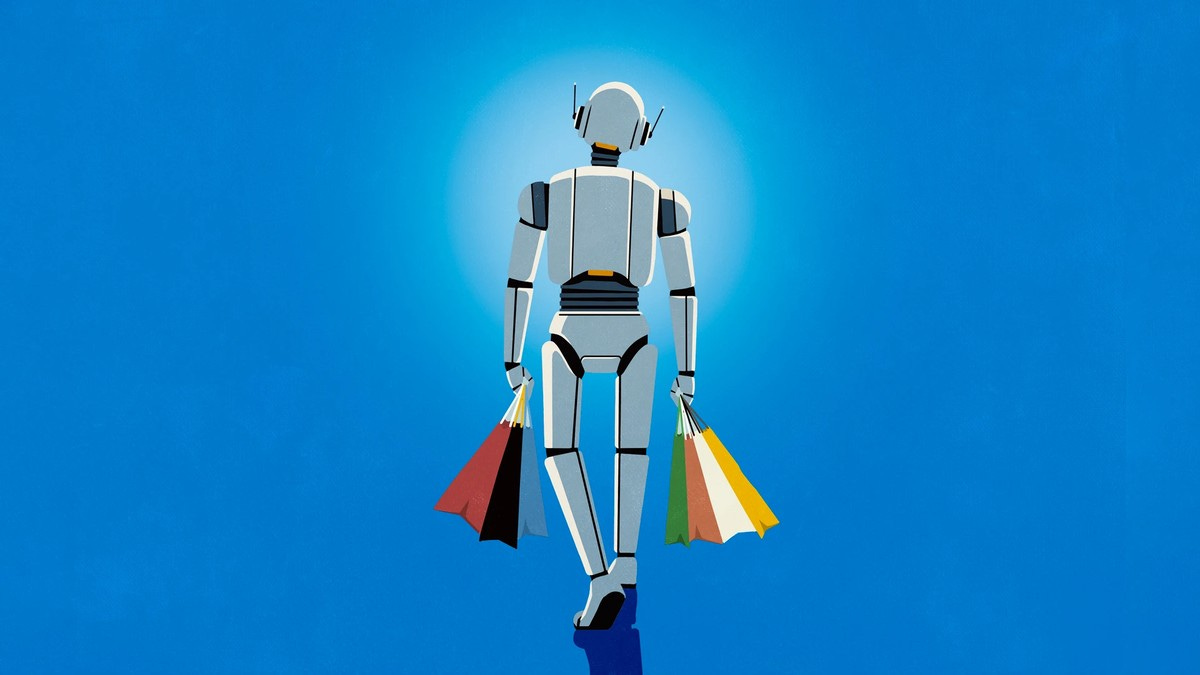
Well, it didn’t take long for both Amazon and Google to get called out for fudging their own rules for AI shopping agents.
Consumer watchdogs are already clutching pearls about the “shop for me” bots, likely based on fears of grown adults being bankrupted as their AI agents order thousands of K-Pop collector figurines because some programmer forgot to use a semi-colon.
But this is exactly how agentic commerce was always going to roll out. Mistakes will be made. Credit limits will be broken. You can just return the K-Pop figurines. You already know that Amazon might even issue a refund and let you keep them. Amazon is cool like that.
The truth is that Amazon and Google are just testing the limits, apologizing first instead of asking for permission later.
Because we already know that nobody needs AI to shop for us.
Aw, man. Did I just say the quiet part out loud?
Agentic Commerce Is A Good Idea
But so was generative AI, and I think we all remember how that turned out.
Both Amazon and Google were called out recently for playing fast and loose with the rollout of their agentic commerce tech. In Amazon’s case, their “Buy for Me” AI allegedly sucked in some products from sellers who weren’t aware they were participating in the program, with some of those customer orders coming as a complete surprise to some of those vendors – and even resulting in orders that were, in some cases, inaccurate or otherwise unfillable.
Oops. Sorry. No figurine for you.
Amazon’s response to this customer service nightmare? You can always opt out.
Google merely did what any good Product Led Growth company or aspiring carnival barker would do, and allegedly went straight at their customers with upsell opportunities. This is not a big deal, under normal circumstances. It’s the old “if you like that you’ll love this” pitch, but on steroids.
However, when paired with a nascent technology like shopping bots who may eventually be given authoritative access to the shopper’s credit card, our imagination immediately goes to seven-year-old kids playing Roblox and somehow buying a boat.
It also prompted a customer advocate warning that these agents could one day allow vendors to “customize pricing based on what they think you are willing to pay.”
Now, none of that is happening. Yet. Still, I’ve been skeptical about agentic commerce – and its siren call of “shop for me” AI magic – since I first came into contact with it over three years ago. And you wouldn’t be wrong to be at least a little jumpy.
However, just like generative AI, this is not a science problem, it’s an execution problem. I’ve got friends who are approaching agentic commerce properly. So to those folks, this has nothing to do with you. You’re way ahead of me on this. Keep crushing it.
But the first thing we, the general consumer-and-vendor public, need to ask is why we need robots to shop for us. Don’t people like shopping? I mean, I hate it. But I feel like I’d hate agentic shopping in its current form too. And isn’t online shopping search already enshittified?
Who Is “Buy For Me” Aimed At?
That’s what they’re trying to figure out right now.
The problem with online shopping is the same as every other problem that the internet intends to solve but instead makes worse. We end up with too much data.
And we’re only going to get more.
In some sense, agentic commerce isn’t a solution for the now, it’s for the future. We know the shopping bots are already here, because we’re getting commercials now. But even in those ads, there’s not a distinct benefit aimed at the consumer. It’s aspirational. It’s fun. It’s solving the worst parts of shopping – math tasks done for you so you can relax and enjoy the dopamine hit.
Too blunt?
But like I said, every time this kind of innovation happens, and the target market for the product is “everyone,” it always, without fail, means the platform is fishing. They have a solution, usually one they’ve invested billions of dollars in, which is indeed the case here, and they’re in search of a problem.
Amazon: “You know that awesome, easy, fun user interface we gave you for eCommerce? That sucks now, right? Don’t you want something easier and funner? What if you could just tell us what you want and we’ll buy it for you? Isn’t that neat?”
So right now, agentic commerce is simply us telling a chatbot what we want and then it does some background deep search. The same kind you could do on your own.
Your wallet is safe. For now. Here’s what you should be worried about.
The Pitch Versus Reality
Agentic commerce tech is almost ready for prime time. Again, this is where generative AI was a few years ago, when it could hold a conversation or draw a pretty picture, but then everyone suddenly agreed that chatbots could replace entire workforces.
Let’s slow our roll, because while the platforms have figured out the “how” of agentic commerce, they’re still very much working on the “why.”
Case in point, a quote from a VP at Microsoft in another agentic commerce overview article: “Imagine an agent recognizing that the bathing suit you’re buying isn’t just another item, but part of preparing for an upcoming vacation and tailoring recommendations accordingly.”
I’m sorry. That sounds like a use case, but it is:
Triggered by the user the same way it happens today.
Recognizing how? This is the old “when every aspect of our lives is made public, AI works great” pitch.
Is clearly stating correlation without causation.
Is only valuable as an opportunity to upsell the consumer.
Might save the user five seconds if it’s right, might cost the user five minutes to five hours if it’s wrong.
I’ve got, like, 12 more of these.
Where the agentic commerce pitch is today, it feels like the tech is being developed by people who have never actually shopped. We know that’s not true. So when the pitch sounds like that, I assure you, it’s because this phase of the rollout is to benefit the platforms, not the consumers, not even the vendors.
“Wait. We don’t even sell figurines. We sell insurance. What the **** is a K-Pop?”
You Are The Product Again
This lifestyle cut from CBS This Morning perfectly encapsulates how agentic commerce will hit the consumer in the near term.
And watch when the reporter asks the Google rep: “Now I’m sharing maybe even more than I would have in a regular Google search. Is there a cost to me sharing that data with Google?”
And then, for fun, time how long it takes for the Google rep to answer either “Yes” or “No.”
Spoiler alert: She never does.
That Q&A, to me, underlines the fact that in these early stages of agentic commerce, the product is you, the consumer. And in the early stages of Amazon’s “Buy For Me” rollout, the product is both the consumer and the vendor.
It’s actually one of the conclusions made by the author of the article about Google’s upselling: “The problem is that the big tech companies that are in the best position to build agentic shopping tools also have the most mixed incentives. Their business rests on serving the sellers and harvesting data on consumers.”
To what end? Well, maybe to collect more data to solve the problem of there being too much data. But ultimately, I believe it’s about a fight for market share that these megacaps need as the future of shopping “evolves” from eCommerce screens and dreadful search to agentic commerce shopping bots.
Agentic commerce will happen, and it could be a good thing, but we’re only in the third inning or so. Let’s take a page from what we just learned about the long-term impact of generative AI and make sure we don’t end up with a garage full of figurines that no one will claim they sold us.
I’ll talk more about AI and how it impacts you in future posts. Now would be a good time to join my email list and get short emails when I’m published.
canoncial = https://www.inc.com/joe-procopio/amazon-and-google-are-fudging-with-agentic-shopping-already-hold-on-to-your-wallet/91288378